
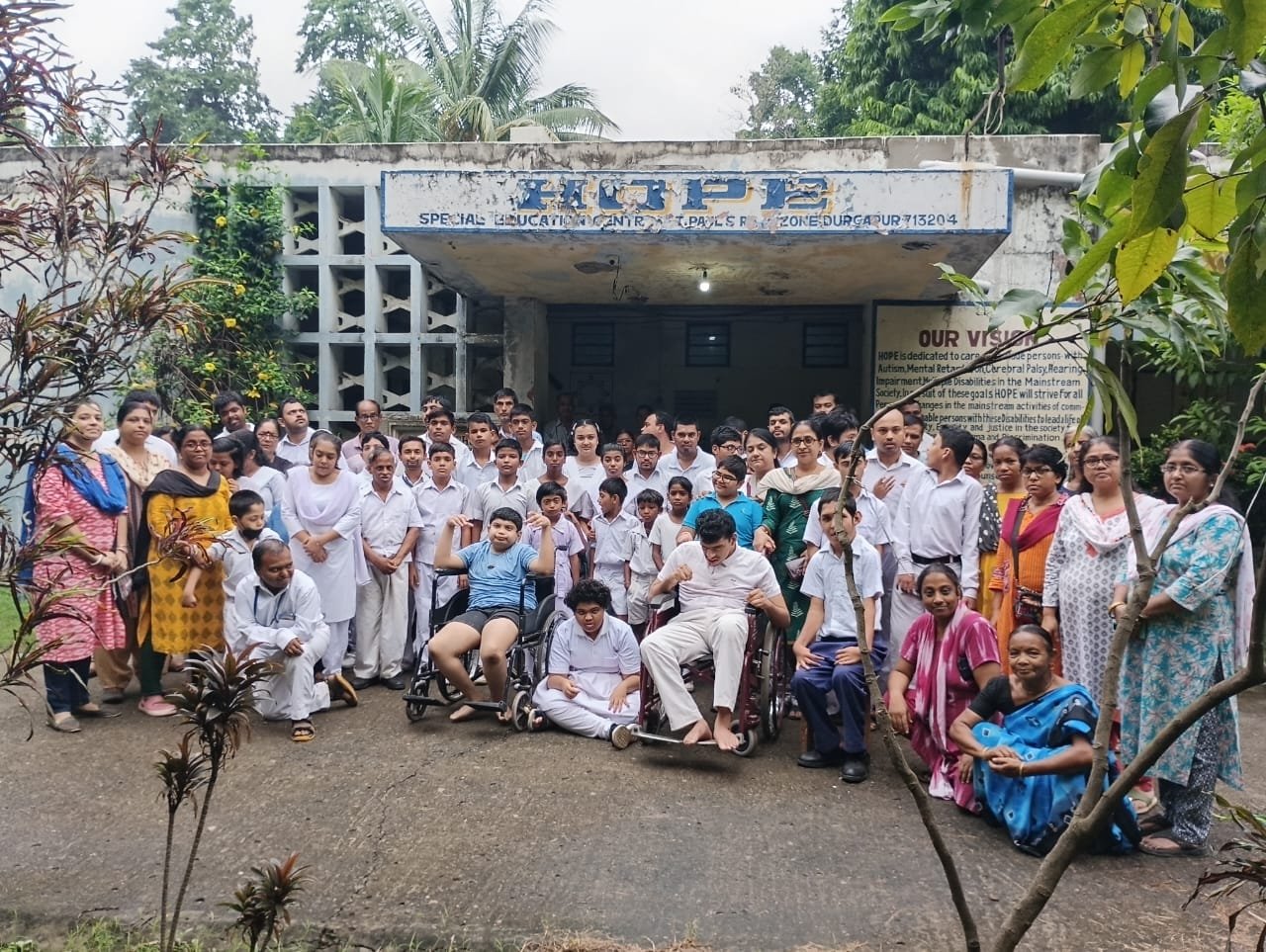


At HOPE, we believe that every child deserves the chance to reach their full potential, regardless of physical or developmental challenges. For children with special needs, therapy plays a vital role in unlocking that potential, helping them overcome barriers and lead more independent, fulfilling lives. Our therapy programs are thoughtfully designed to address individual needs through Physiotherapy, Occupational Therapy, and Sensory Integration Therapy, each working towards improving daily living skills, emotional well-being, and social interaction.
Physiotherapy: Building Strength and Movement
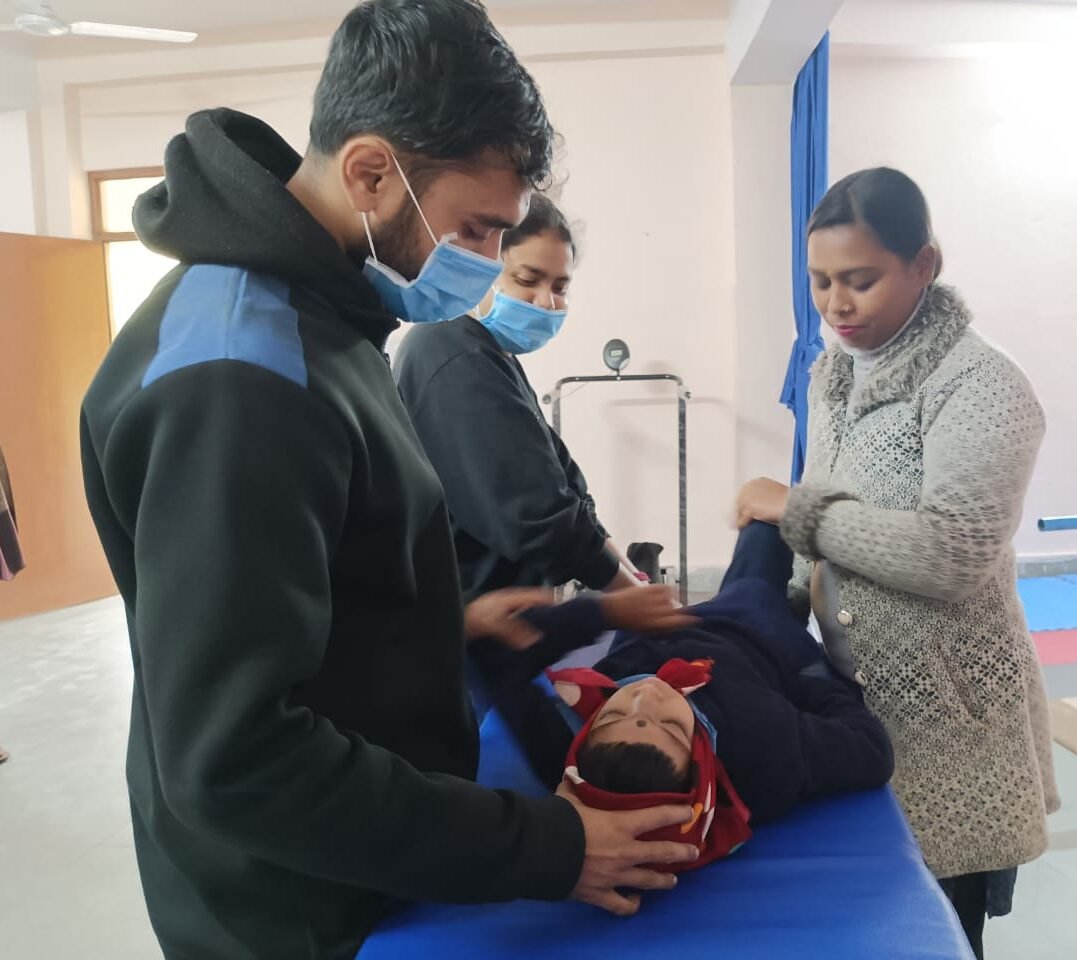
Physiotherapy focuses on enhancing physical abilities by improving muscle strength, joint mobility, coordination, and balance. Many of our students face challenges due to cerebral palsy, muscular disorders, or neurological conditions, which limit their movement. Our experienced physiotherapists work closely with each child, using exercises, stretches, and movement-based activities to improve posture, walking ability, and physical endurance.
By increasing mobility and reducing muscle stiffness, physiotherapy empowers children to participate more actively in school activities and daily life. Beyond physical development, these improvements often lead to greater confidence and emotional well-being.
Independent Living: Mastering Everyday Skills
Independent living helps children gain independence in their daily living activities. This includes essential life skills such as eating, dressing, writing, and using basic tools. Many children with developmental delays or fine motor skill difficulties struggle with tasks that other children learn naturally. Through personalized exercises and adaptive techniques, our occupational therapists help them develop the motor coordination and cognitive skills needed to perform these tasks independently.
Occupational Therapy at HOPE also focuses on improving hand-eye coordination, sensory processing, and social interaction, preparing our students to be more independent both at home and in the community.
Sensory Integration Therapy: Bringing Balance to the Senses
Some children with special needs experience difficulty in processing sensory information—they may be overly sensitive to touch, sound, or light, or they may seek sensory stimulation to feel grounded. Sensory Integration Therapy helps children regulate their responses to sensory input, improving focus, reducing anxiety, and enabling them to better engage in learning and play.
Our sensory therapy sessions include activities like textured play, movement-based exercises, and auditory stimulation, creating a calming and structured environment where children can explore their senses safely.
A Holistic Approach to Therapy at HOPE
What makes HOPE’s therapy programs unique is the holistic, child-centered approach we follow. Therapy sessions are not isolated from education or play; instead, they are integrated into the student’s daily schedule, ensuring consistency and comfort. Our therapists work closely with educators and caregivers to create individualized plans that address the child’s physical, emotional, and educational needs.
We also involve parents in the therapy process, offering guidance on how to continue supporting their child at home. Regular counselling sessions with families help them understand their child’s challenges and progress, making them active partners in the development journey.
Transforming Lives Through Compassionate Care
At HOPE, therapy is more than just treatment—it is a pathway to dignity, self-confidence, and Independent living. By addressing the physical, sensory, and emotional needs of our students, we help them participate more fully in life’s experiences. Each step forward, no matter how small, is a victory we celebrate together.